
One standard across AI and enterprise software
Reliability OS for Enterprises
One reliability standard for the platforms you run today and the AI you are building on them.

Why does reliability need an operating system?
Most enterprises now run two kinds of systems side by side: the platforms that have carried the business for years and the AI models and agents being built on top of them. Each team tests its own part, and a core banking release, a claims model and a customer-facing agent can each pass those tests and yet fail together in production.
Gartner expects over 40% of agentic AI projects to be canceled by the end of 2027, citing rising costs, unclear business value and inadequate risk controls. We believe the answer is to engineer reliability into shared layers that every system runs on, from the first design decision to live operation.
Reliability OS for Enterprises enhances the “ready for production” across your platforms, models and agents. It draws on what QKTech (formerly QualityKiosk) has learned since 2000, building, testing and running mission-critical systems, with 4,200+ engineers serving enterprises in 25+ countries.
The architecture
How is the Reliability OS built?
The OS has four layers, and each one reflects a conviction about what keeps systems reliable once customers depend on them.
Experience layer
- Nimbus AI
- AIBuddy
- Compaqk
Intelligence layer
- Context engineering
- Harness engineering
- Loop engineering
Engineering & orchestration layer
- Platform & marketplace engineering
- Agents engineering
- Model engineering
Execution layer




- qRace













- Codeqk
- Teqk






Experience layer: reliability people can see
Reliability improves only when the people accountable for it can see it. Nimbus AI scores GenAI assistants and agents across 60+ dimensions, AIBuddy runs and cross-checks synthetic monitoring on apps that conventional automation cannot reach and Compaqk brings performance testing and customer experience assurance into one view.
Intelligence layer: what surrounds the model
An agent behaves in production according to what it is shown, what it can touch and how its work is checked. Context engineering decides what the agent sees, harness engineering builds the controls and tool access around the model, and loop engineering verifies each result before the agent continues, stops or hands over to a person. Gartner describes context engineering as critical for the reliability and cost efficiency of AI agents.
Engineering and orchestration layer: platforms, agents and models built together
Agents, the models beneath them and the platforms they run on succeed or fail together, and we engineer them as one system. DORA’s 2025 research found that AI adoption improves organizational performance only when platform quality is high. Platform and marketplace engineering, agent engineering and model engineering follow one lifecycle, from the agentiqk marketplace to drift monitoring after release.
Execution layer: the tools you already run
A reliability program should not begin with a tool migration. We engineer on the testing, observability, automation and AI platforms our clients already license, from Playwright, Tricentis and UiPath to Dynatrace, alongside our own Techniqk platforms such as qRace, Deqk and other AI-driven tools.
Practices
Which practices make up the Reliability OS?
Six practices share the same reliability standard, from automating operations with AI to engineering the agents and platforms that run them.
AI for Reliability
Puts AI and automation to work on claims, finance and infrastructure operations, then measures the gain against the manual process.
Reliability of AI
Holds every model and agent to the GATES checks for governance, assurance, trust, evals and security, before release and after every change.
Agent Engineering
Takes agents from pilot to production through one development lifecycle, whether they are ready-built Marqk agents or custom builds.
Digital Reliability
Brings quality engineering, observability and command-center operations to the platforms that carry your revenue.
Reliability of Frontier Systems
Extends the same discipline to EV fleets, charging networks and connected vehicles, validated in simulation before rollout.
AI Forward Deployed Engineers
Places our engineers inside your team to build agents with you, staying through the first months live until your people can run the system.
Resources
Resources on one reliability standard
-

Case Study
Automotive Giant’s Cloud Journey: Migrating 150+ apps while Saving 30% in Costs and Achieving 2X Faster Development
View the Case Study: Automotive Giant’s Cloud Journey: Migrating 150+ apps while Saving 30% in Costs and Achieving 2X Faster DevelopmentA prominent player in the automotive industry embarked on a multi-cloud adoption journey to stay ahead in the dynamic market.
-

Case Study
QKTech’s AI-Ready TCoE Powers Leading UAE Bank to Complete 35+ Digital Modernization Projects
View the Case Study: QKTech’s AI-Ready TCoE Powers Leading UAE Bank to Complete 35+ Digital Modernization ProjectsOne of the top 10 largest banks in the UAE, the client is a modern and progressive banking institution offering…
-

Case Study
Transforming Quality Assurance: A Leading Insurer Achieves a 90% Reduction in Renewal Case Processing Time
View the Case Study: Transforming Quality Assurance: A Leading Insurer Achieves a 90% Reduction in Renewal Case Processing TimeOne of India’s largest general insurers faced significant challenges in expanding its testing scope due to a reliance on manual…
-
Case Study
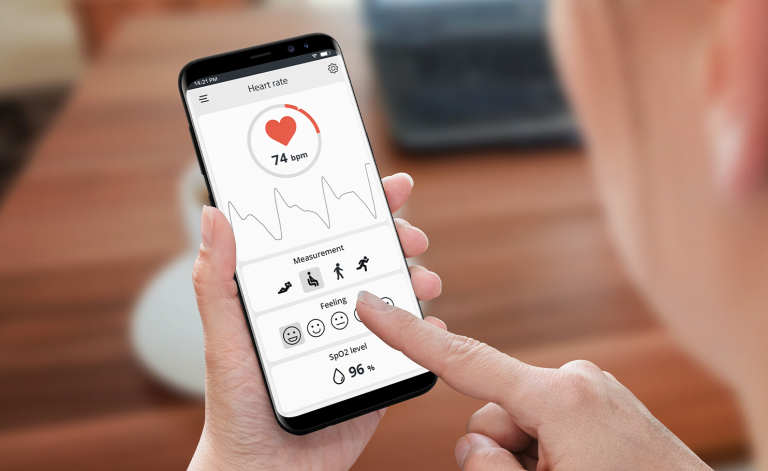
QKTech Helps Healthcare Leader Roll Out Reliable and User-Friendly Chronic Condition Management App
View the Case Study: QKTech Helps Healthcare Leader Roll Out Reliable and User-Friendly Chronic Condition Management AppQKTech, a global leader in AI-powered reliability and quality engineering, partnered with a leading Indian-based multinational healthcare company to ensure…
-

Case Study
QKTech Elevates Fleet Owner Experience with GenAI Chatbot Testing for Leading Automotive OEM
View the Case Study: QKTech Elevates Fleet Owner Experience with GenAI Chatbot Testing for Leading Automotive OEMQKTech tested an automotive OEM’s GenAI fleet chatbot. It reached 80% accuracy and gives fleet owners real-time, reliable vehicle insights.
-

Case Study
QKTech Helps a Leading Private Sector Bank Achieve Intelligent, Real-Time Loan Deduplication – Quality Assurance Provider
View the Case Study: QKTech Helps a Leading Private Sector Bank Achieve Intelligent, Real-Time Loan Deduplication – Quality Assurance ProviderTo enable real time and accurate detection of duplicate loan applications including in-process cases through a scalable and secure rule…
FAQs
Reliability OS for Enterprises: Common questions
What is Reliability OS for Enterprises?
It is QKTech’s framework for keeping every system an enterprise depends on reliable, from legacy platforms to AI models and agents, organized into six practices that share one reliability standard.
How is Reliability of AI different from AI for Reliability?
Reliability of AI makes the AI and agents you build reliable, through evaluation, security and governance. AI for Reliability works in the other direction, using AI and automation to make your existing operations more reliable. Most enterprises need both.
Do I need to use all six practices?
No. You can start an engagement with the one or two practices closest to an active problem, whether that is an agent stuck in a pilot, a legacy platform that needs observability or a connected system moving toward production.
What are context, harness and loop engineering?
They are the three disciplines in the intelligence layer. Context engineering decides what an agent sees, harness engineering builds the controls around the model, and loop engineering checks each result before the agent continues, stops or hands over to a person.
Does the Reliability OS require new tools?
Usually not. The Reliability OS works on the testing, observability, automation and AI tools you already license. Our own Techniqk platforms, such as qRace and Deqk, are available where they add value, but they are not a condition of working with us.
Talk to a Reliability OS lead
Share the platform, AI program or connected system your leadership is most concerned about this quarter. We will come back with the practices that apply and what a first phase would measure.